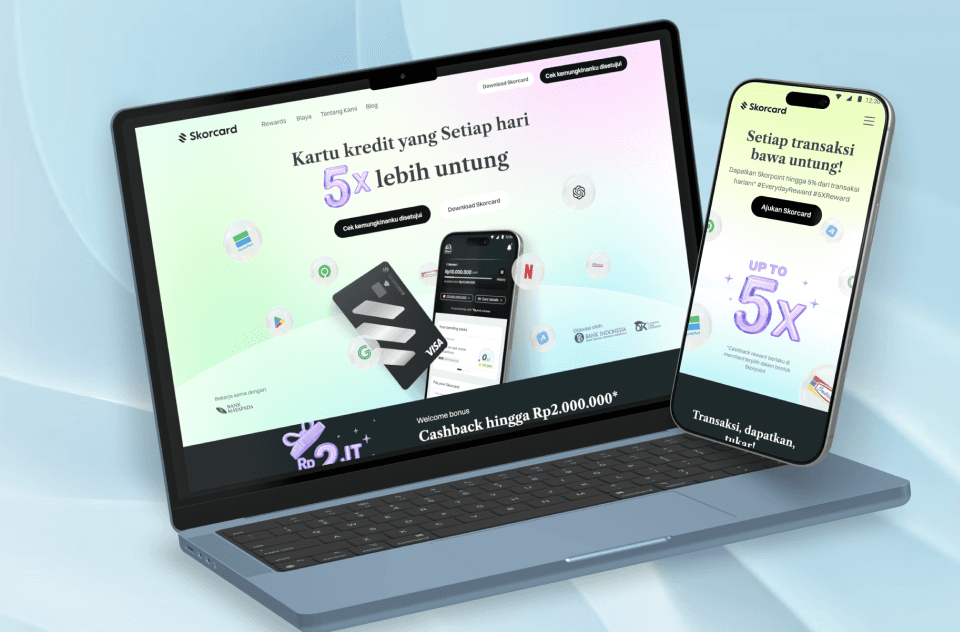
Building credit confidence for first time users with SkorGo
Skorcard
Q3 2025
Release

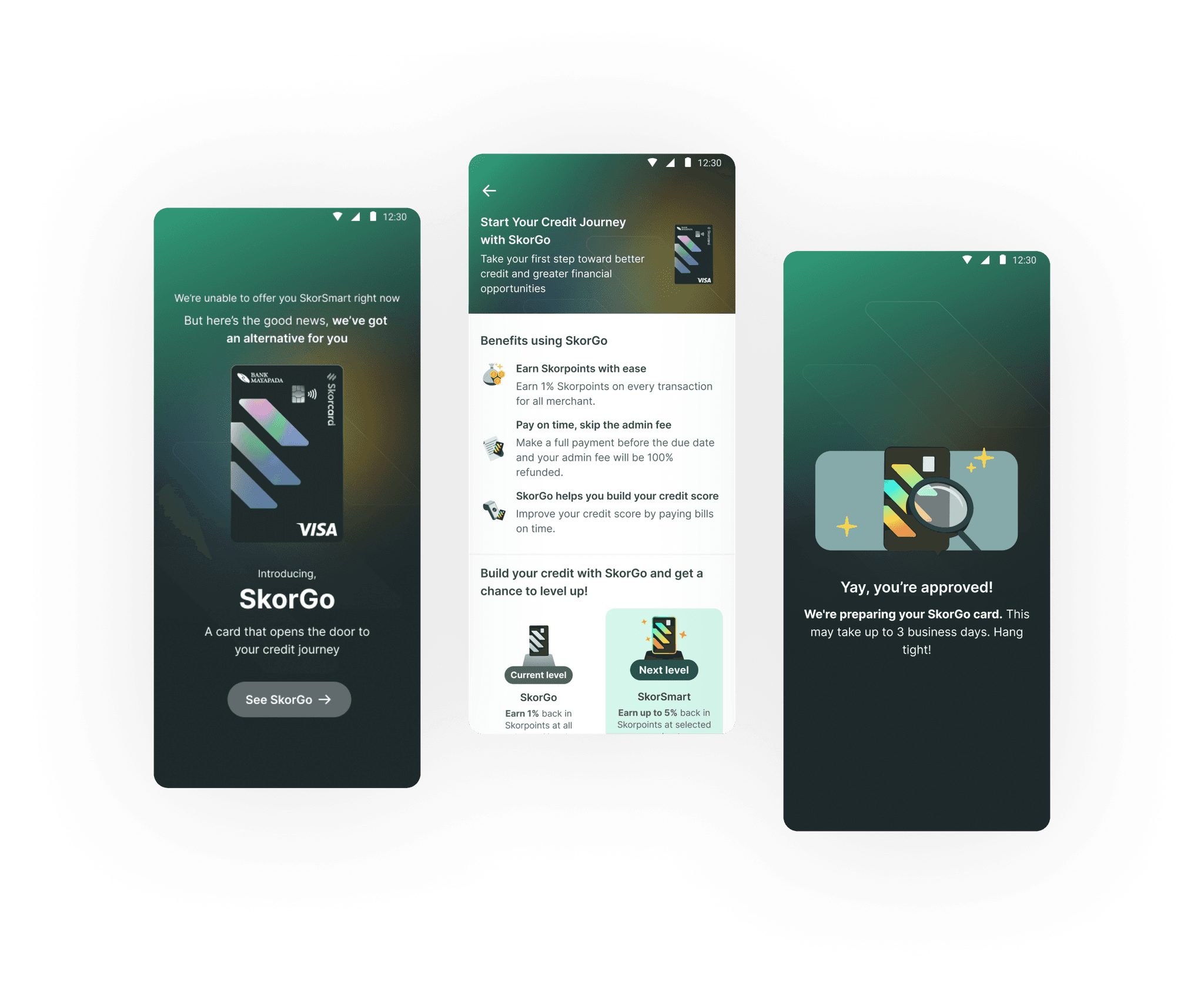
SkorGo is a new credit product under the Skorcard brand, designed to help first time and emerging users build healthy credit habits. Unlike traditional credit cards with interest, SkorGo uses a transparent monthly admin fee model, fully refundable when users pay on time.
I worked on this 0→1 project from PRD translation to end to end design, focusing on scalability, and close collaboration with PM and developers for a smooth launch.
Timeline
Q3 2025 (Jul - Sep 25)
Role
Product designer
Product
App
Skills
Product thinking・ UX & UI design ・ Collaboration ・ Design QA support
Team
Product manager ・ Design lead ・ Developers ・ UX writer ・ UX researcher・Stakeholders (co-founder)
Why Skorcard needed a new approach
👥 User problem
Many users were declined for SkorSmart due to limited or no credit history.
Traditional interest based credit felt unclear or even intimidating for first time users.
There were no positive incentives for responsible behavior, only penalties for late payments.
🎯 Business problem
Skorcard lacked a product that could serve users without prior credit history.
The existing model couldn’t reach or retain new to credit audiences effectively.
Without a system that rewards good payment behavior, user engagement and repayment sustainability remained low.
So, what do we need to aim?
👥 User goal
Build a credit experience that feels transparent, fair, and helping first time users develop healthy credit habits through clear communication and positive reinforcement.
🎯 Business goal
Expand Skorcard’s reach to new credit users, strengthen trust and retention, and create a clear upgrade path to SkorSmart for consistent payers.
Who we designed for
SkorGo was built for people taking their first step into the world of credit. Those who need a product that feels fair, transparent, and supportive as they grow financially.
💳 KOL 2
Rebuilding their credit reputation after past rejections.
💼 New To Bank
Freelancers, gig workers, or self employed individuals needing flexible, accessible credit.
🎓 First Time Credit
Students or young professionals seeking a simple, app first credit experience.
🌱 Aspiring Credit Builders
Users motivated to build healthy financial habits through positive reinforcement.
Big question
✨ How might we make credit simple, transparent, and rewarding for first time users?
Product alignment & flow definition
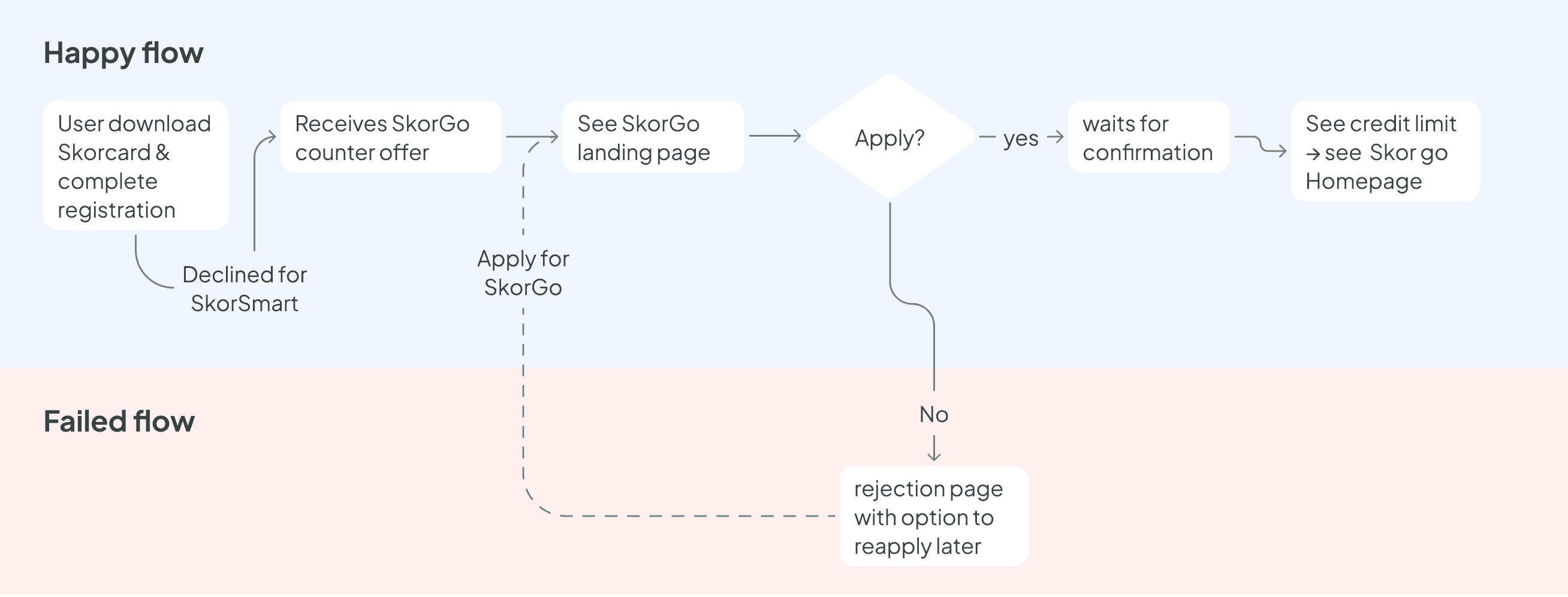
I worked closely with the Design Lead and PM to define the user journey. We decided that SkorGo would initially be offered as a counter offer to users who didn't qualify for SkorSmart, positioning it as an intentional alternative, not a fallback. From this decision, I mapped the success flow & failed flow
Design considerations
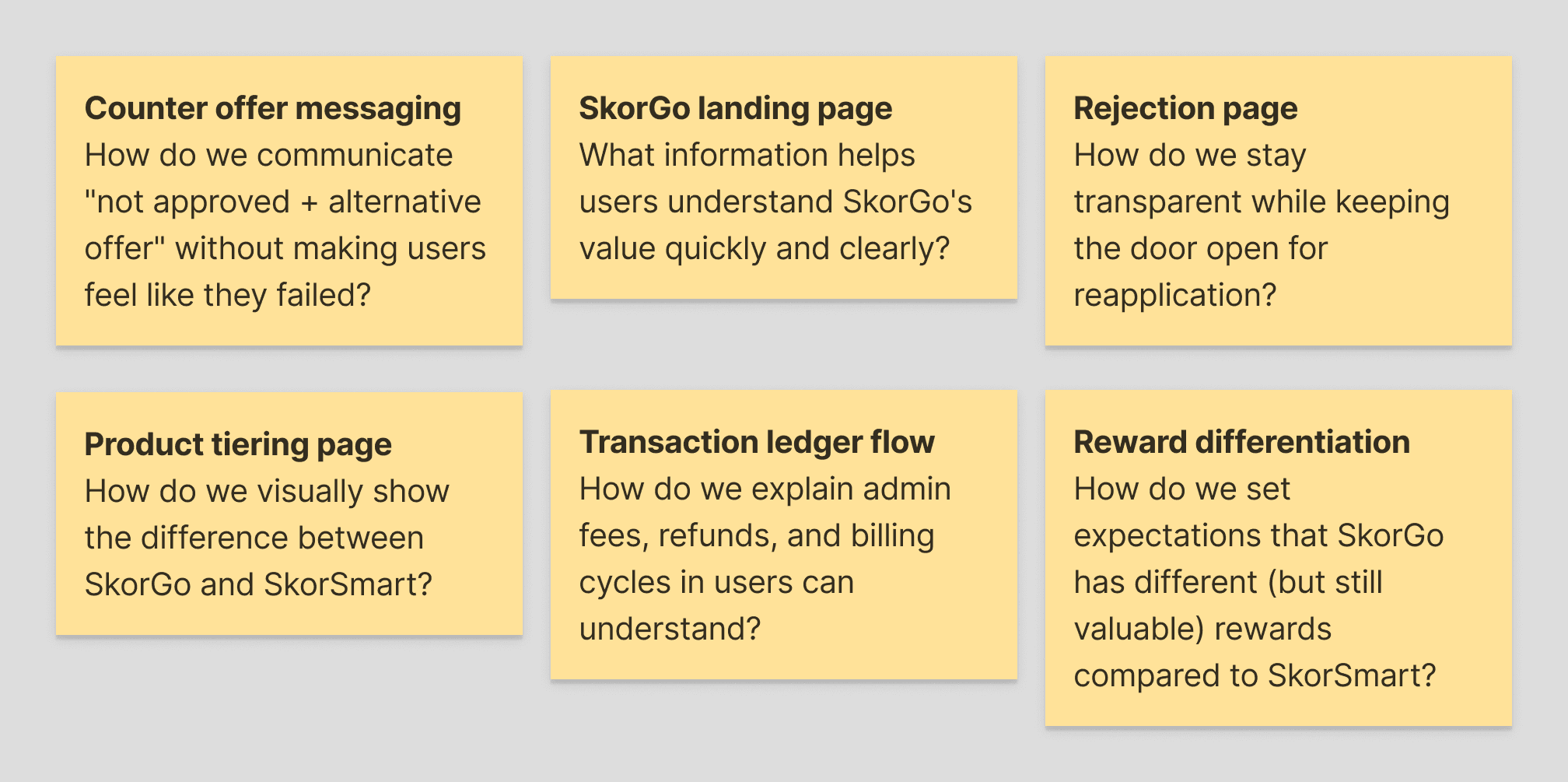
I focused on organizing the information architecture, aligning the messaging with the PM and UX Writer, and keeping things clear for users. The image shows the key questions I explored during this stage.
Benchmark analysis
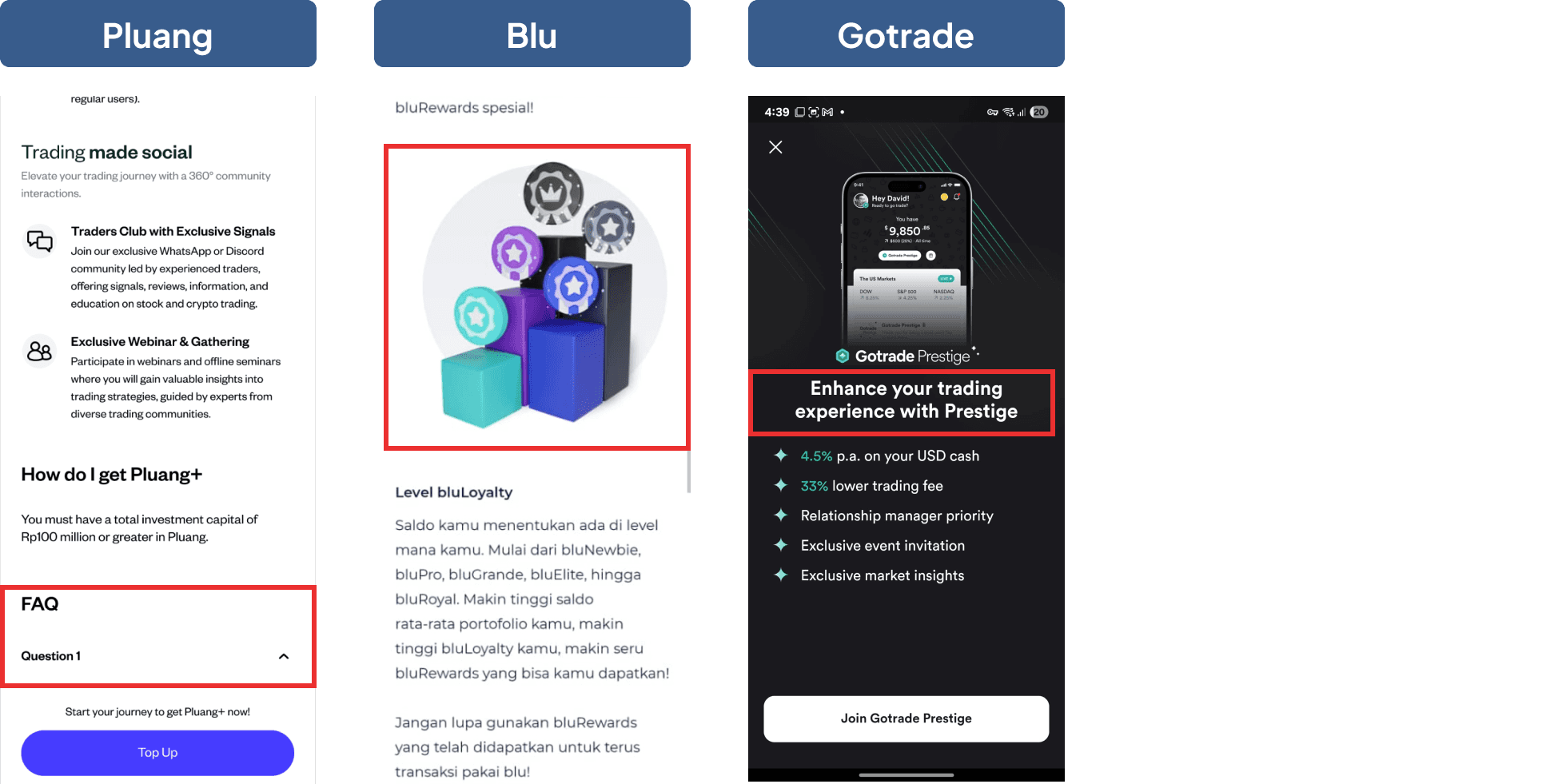
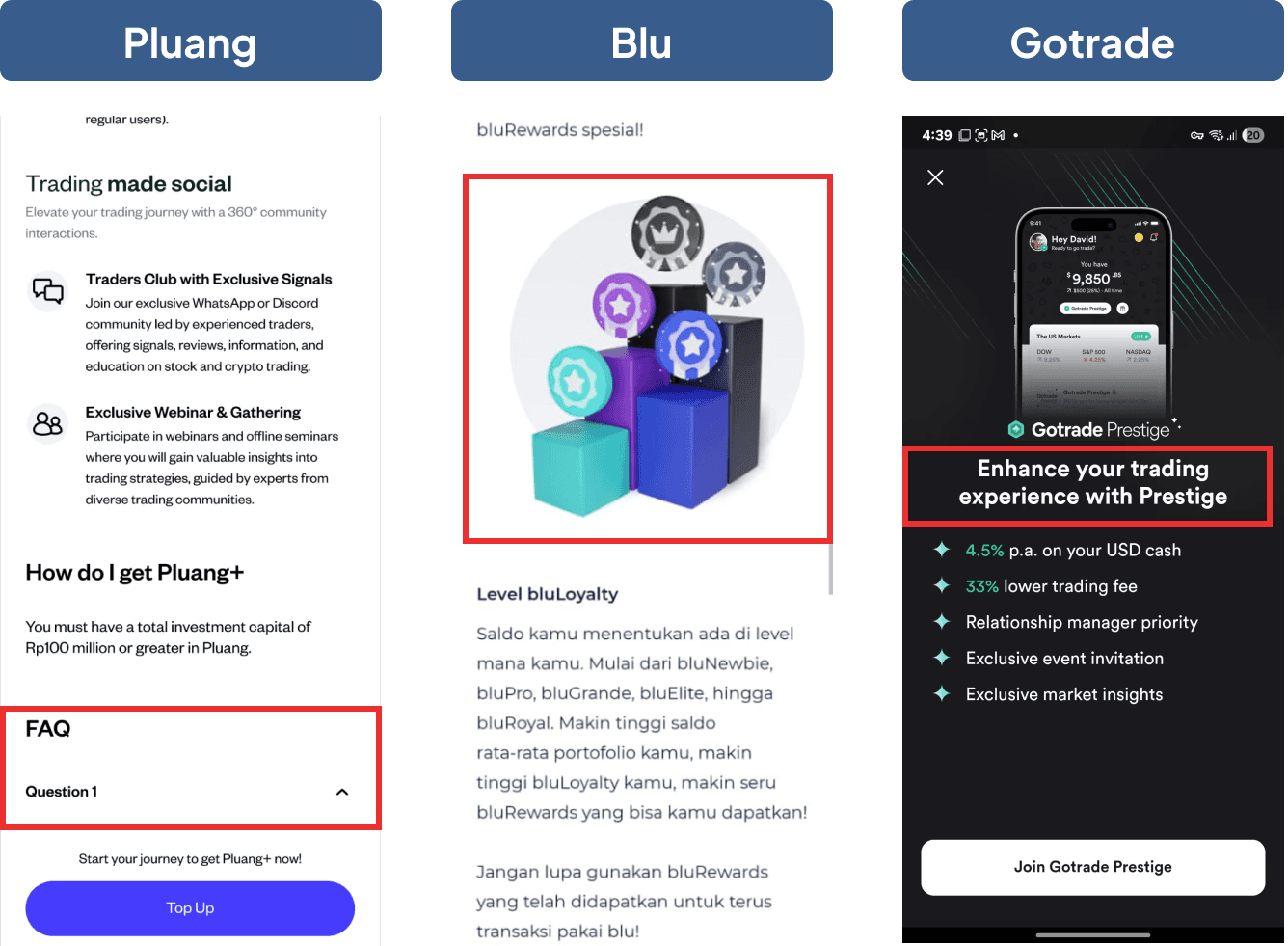
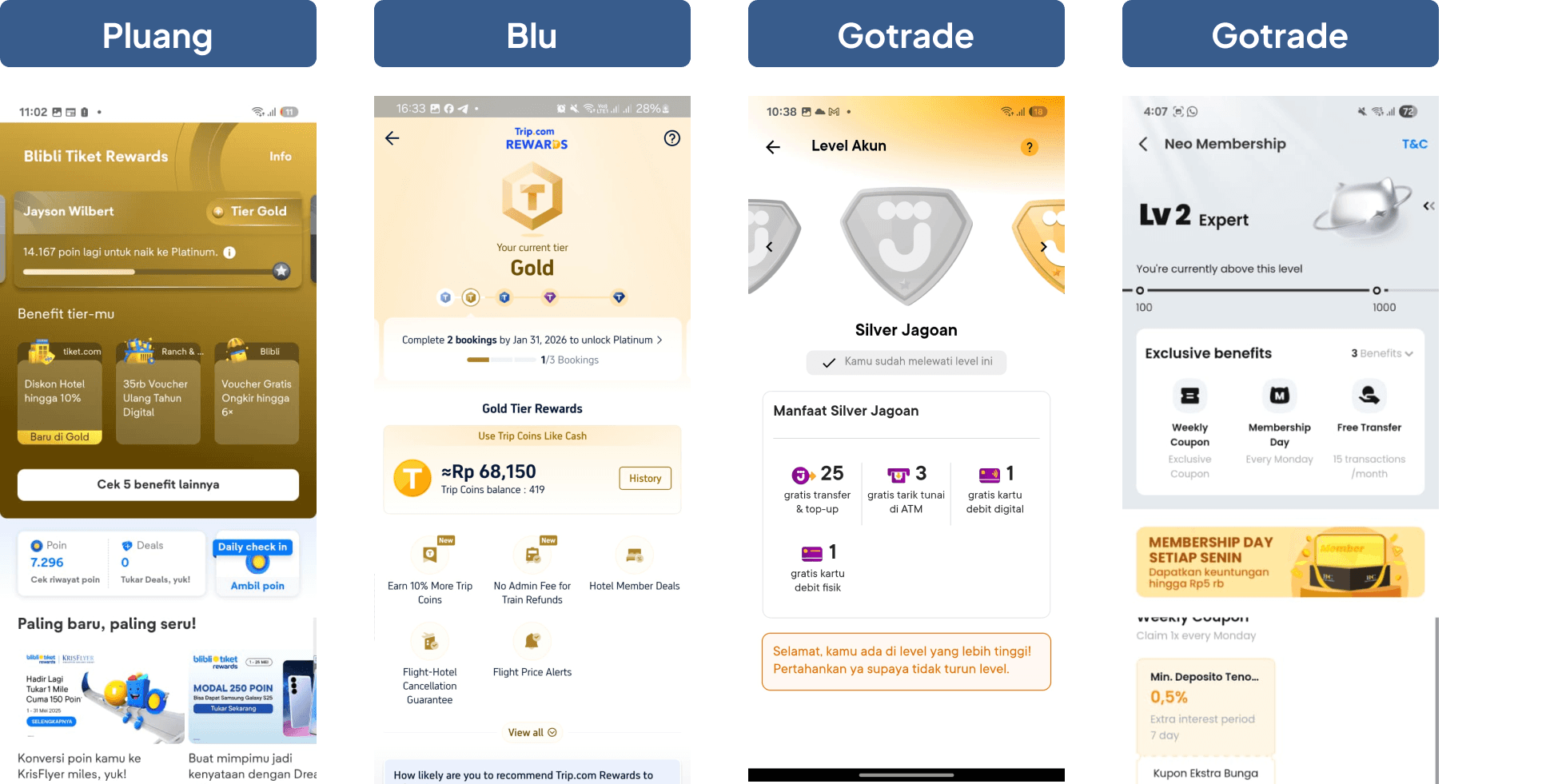
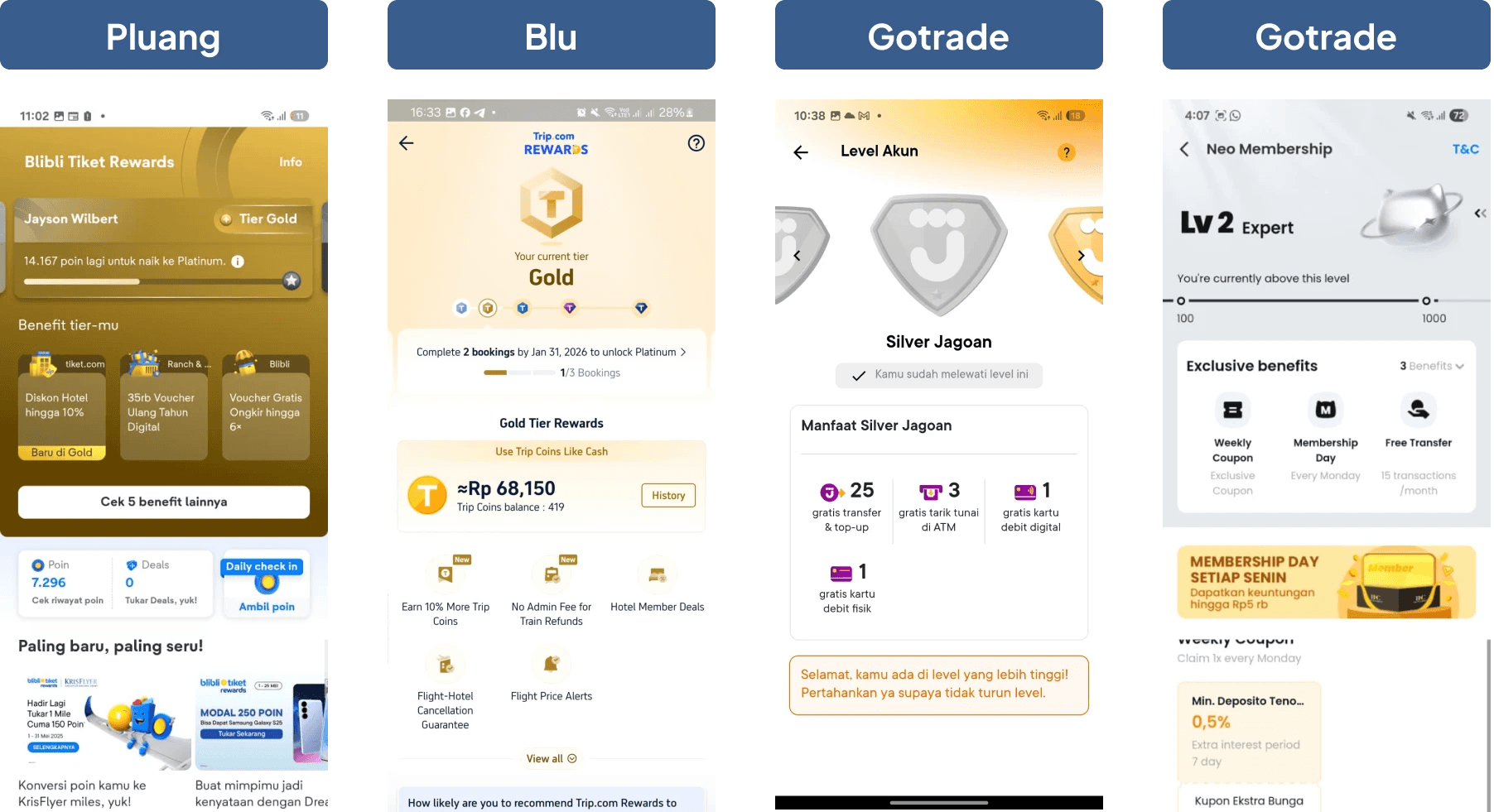
To ensure the design aligned with industry best practices while staying true to our brand voice, I leveraged benchmarking insights from our UX Researcher.

SkorGo landing page
Landing page hygiene
Clear title that explains what the product is and its core benefit
Sticky CTA button at the bottom for easy, persistent access to apply
Blu landing page
Transparent tier visualization showing current status and upgrade path
Pluang landing page
FAQ section addressing common user questions upfront
Product tiering page
Tiering page hygiene
Badge and tier name clearly displayed to show current status
Visible rewards comparison across tiers so users can see what they can unlock
Upgrade criteria with progress indicators showing how close users are to the next level
Visual differentiation per tier (background colors, styles) to create distinct experiences
Status labels indicating whether a tier is locked, current, or completed
Trip tiering page
FAQ section within the tier page for contextual help
What we built
Due to tight timelines and development complexity, we had to make a few trade offs. The tiering hub page was descoped from the initial launch and will be added gradually in later phases.
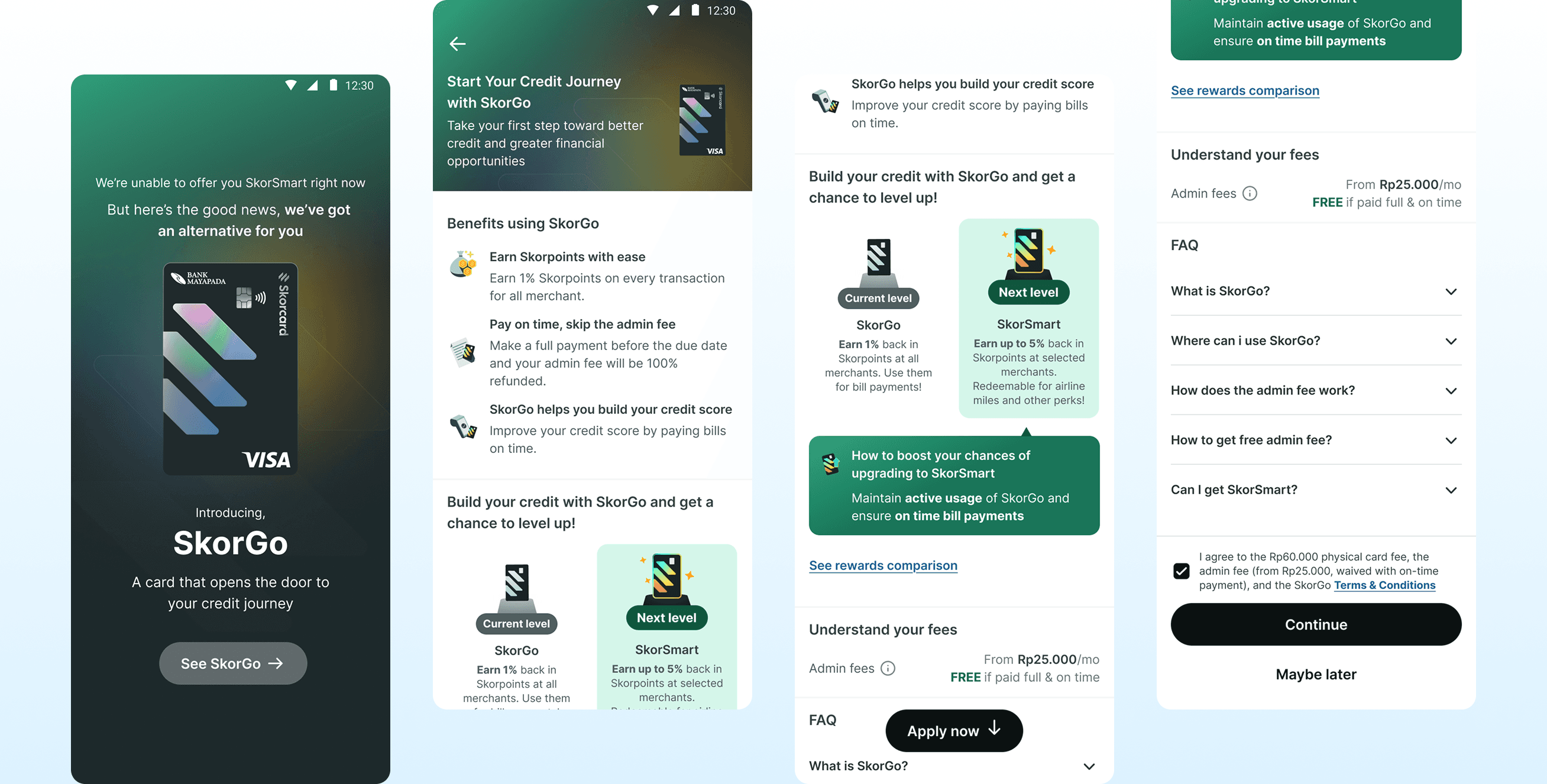
From rejection to reassurance
Instead of making users feel rejected after being declined for SkorSmart, we positioned SkorGo as a thoughtful next step. Clear messaging and a transparent landing page help users feel in control and confident about their choice.
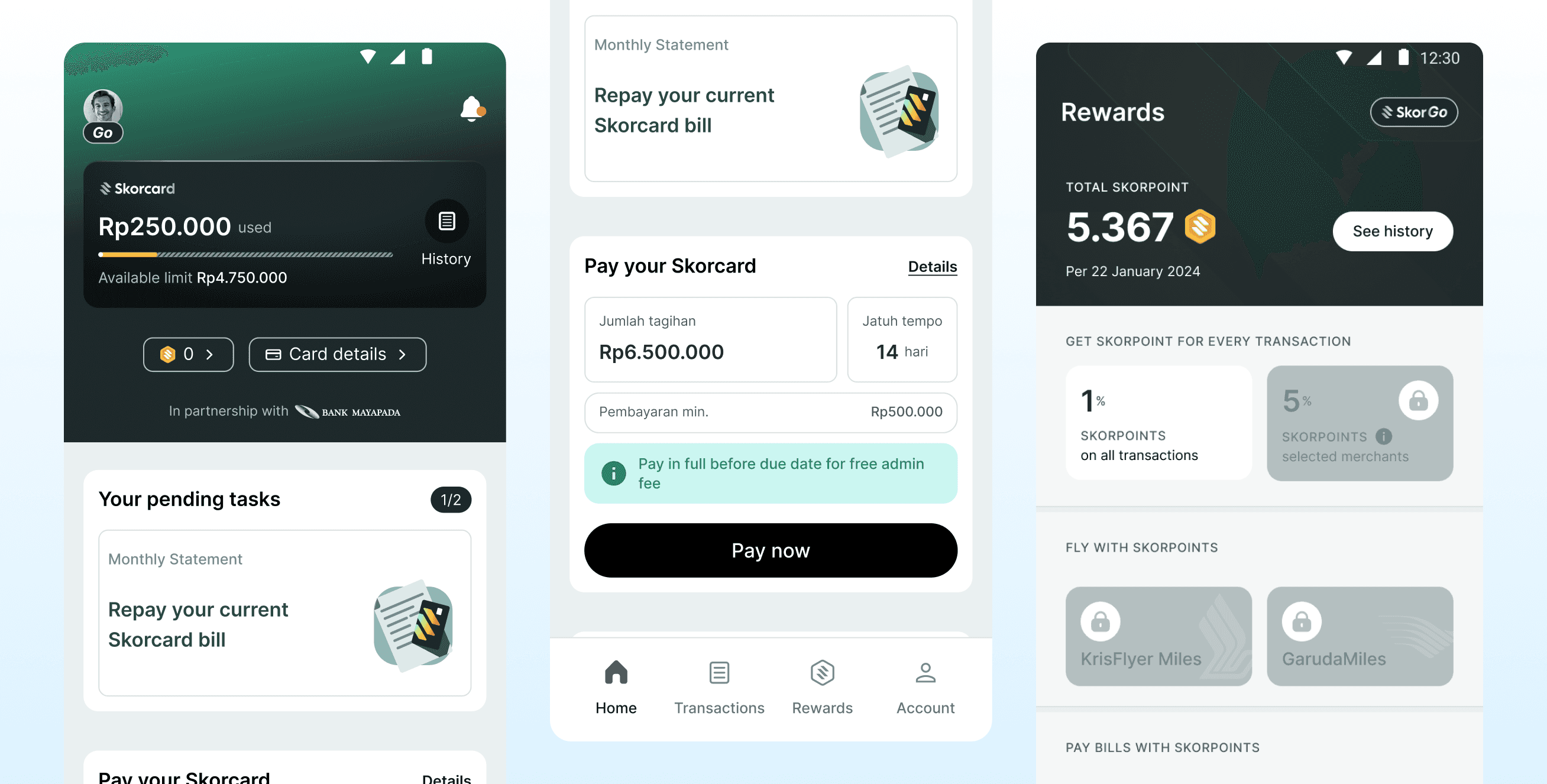
Clarifying Product Tiers
I used colors and labels to help users easily distinguish between tiers. The 5% rewards section was intentionally disabled for SkorGo users to set clear boundaries about unavailable benefits.
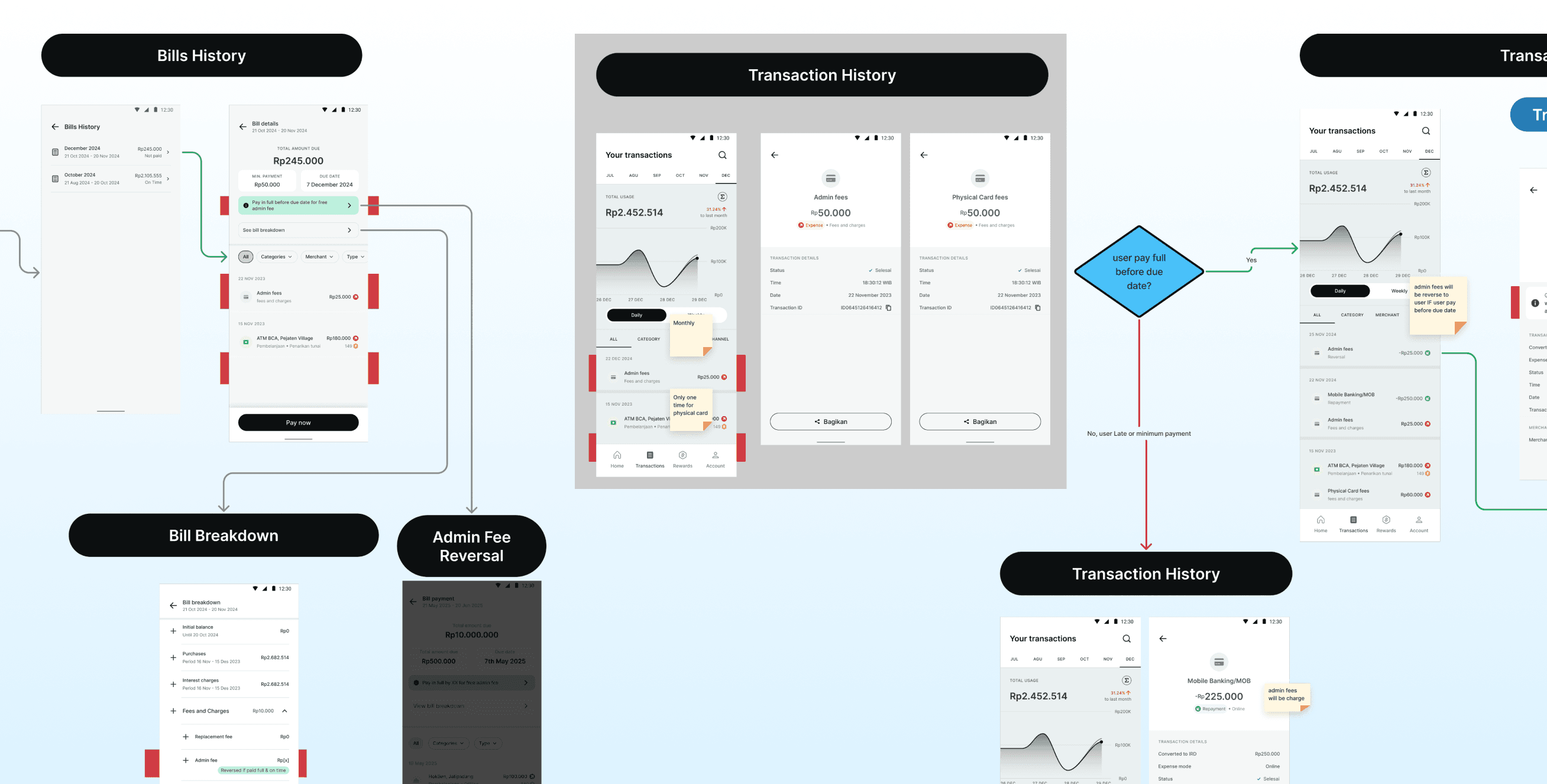
Handling edge cases carefully
I designed scenarios for fees and refund conditions ensures transparency and prevents miscommunication.
What we achieved
Numbers are omitted and rounded up due to NDA
40%
of users clicked and viewed the SkorGo offer.
80%
users chose to continue with the application
Over half
of those who applied obtained a SkorGo card.
While the results were influenced by various factors beyond design like user motivation to get a credit card, the new flow effectively turned potential drop offs into confident conversions through clear communication.
User Insight Discussion
After launch, a discussion with our UX Researcher revealed that while the SkorGo offer flow performed well, many users turned it down because their expectations didn’t match what the product delivered.
Brand perception: Skorcard was known as a miles optimizer, so SkorGo’s simpler rewards felt like a downgrade.
Expectation gap: The counter offer framing made SkorGo seem like a fallback, not a new opportunity.
Unclear upgrade path: Users didn’t know when or how they could move up to SkorSmart.
Low visibility: With no marketing push, users only discovered SkorGo after rejection, making it feel hidden and less credible.
What I Improve
These insights made me realize that the challenge went beyond UI, it was about how and when we communicate value. If I were to iterate further, I would focus on:
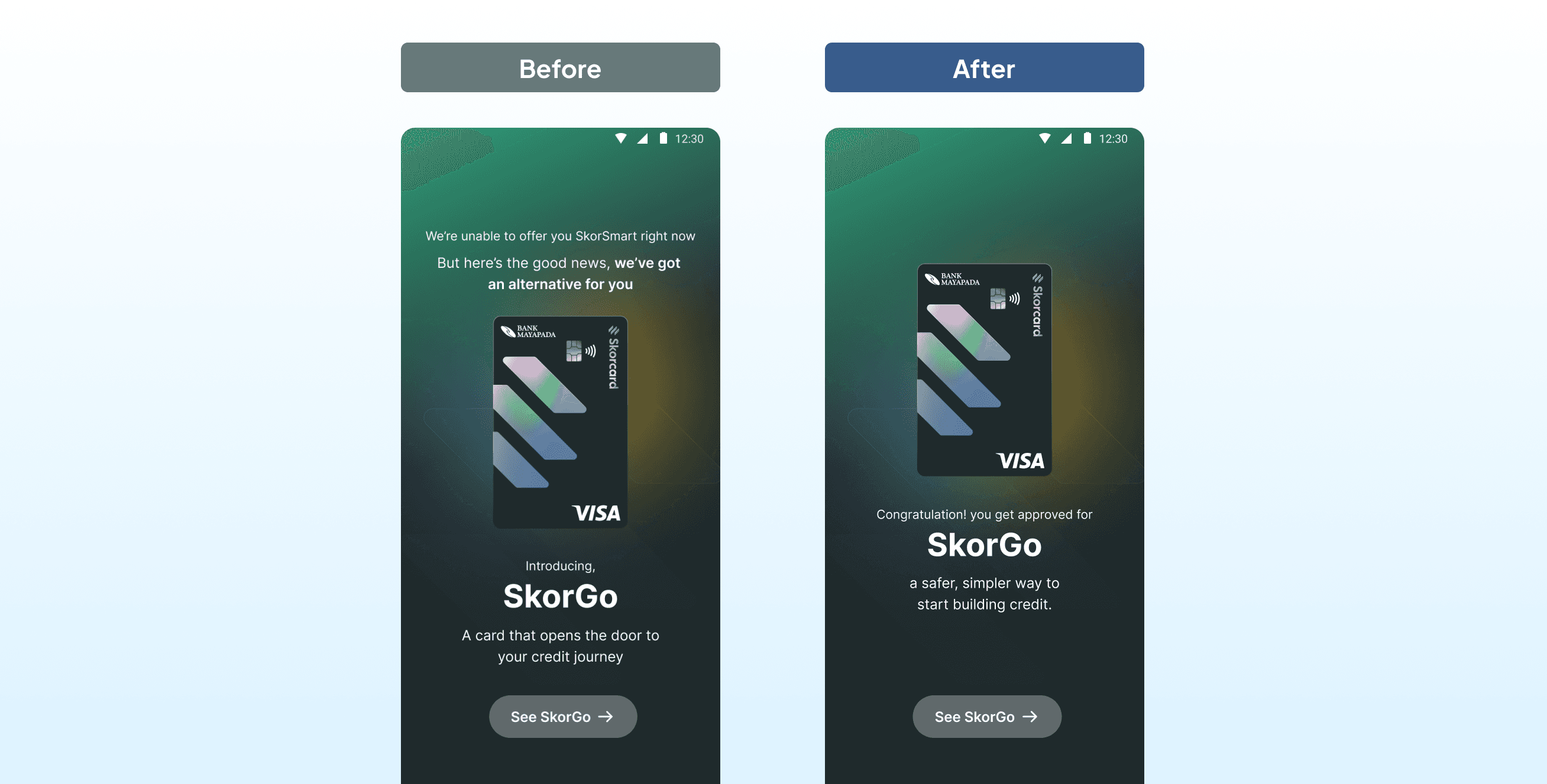
Reframing The Narrative
Instead of making users feel rejected with messages like “You weren’t approved for SkorSmart,” SkorGo reframes the moment to “Congrats! You’re eligible for SkorGo”, turning a “no” into a new opportunity.
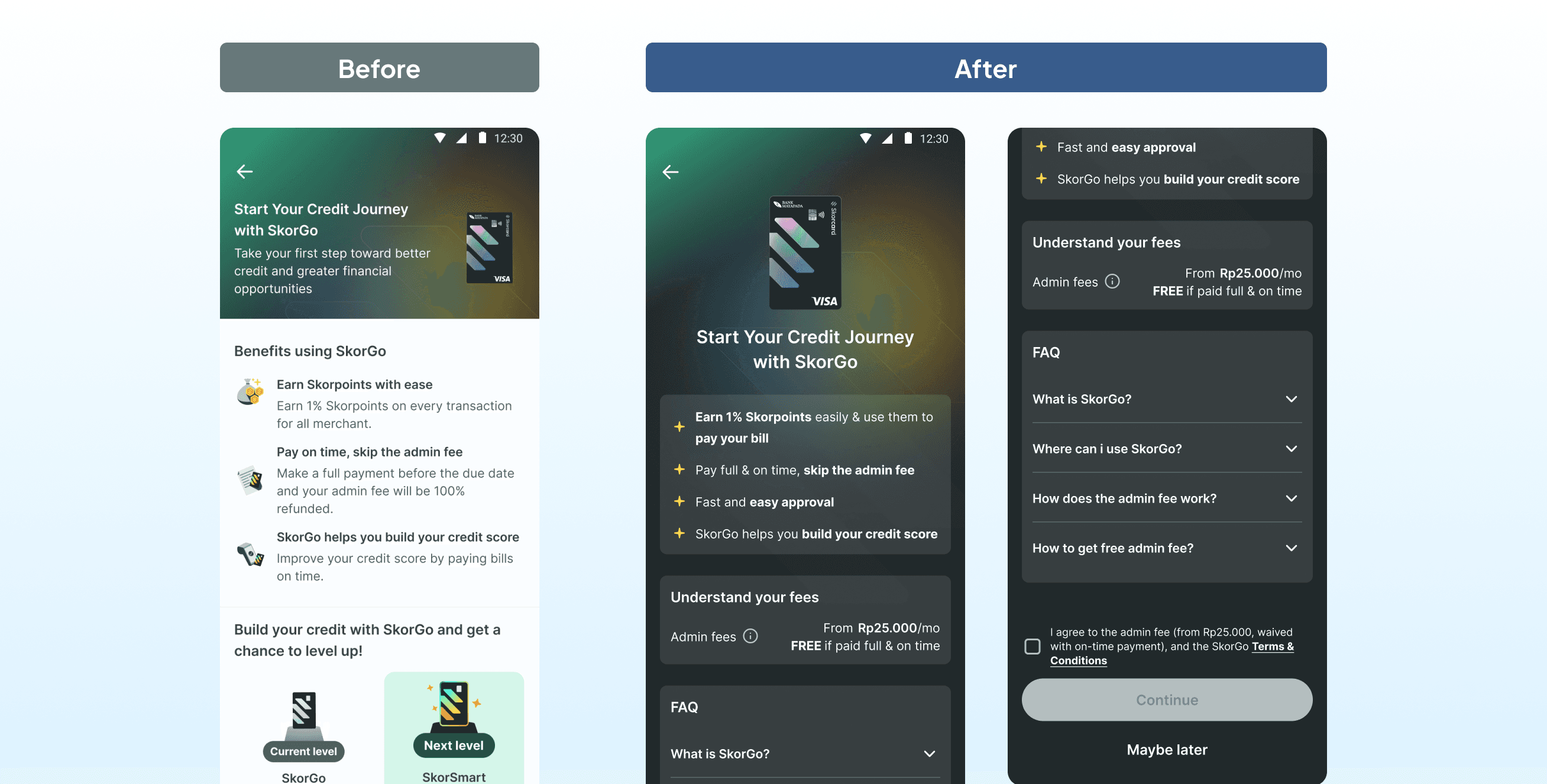
Simplifying The SkorGo Page
Focus on key reassurances: no interest, transparent fees, easy approval, and full refunds for on time payments.
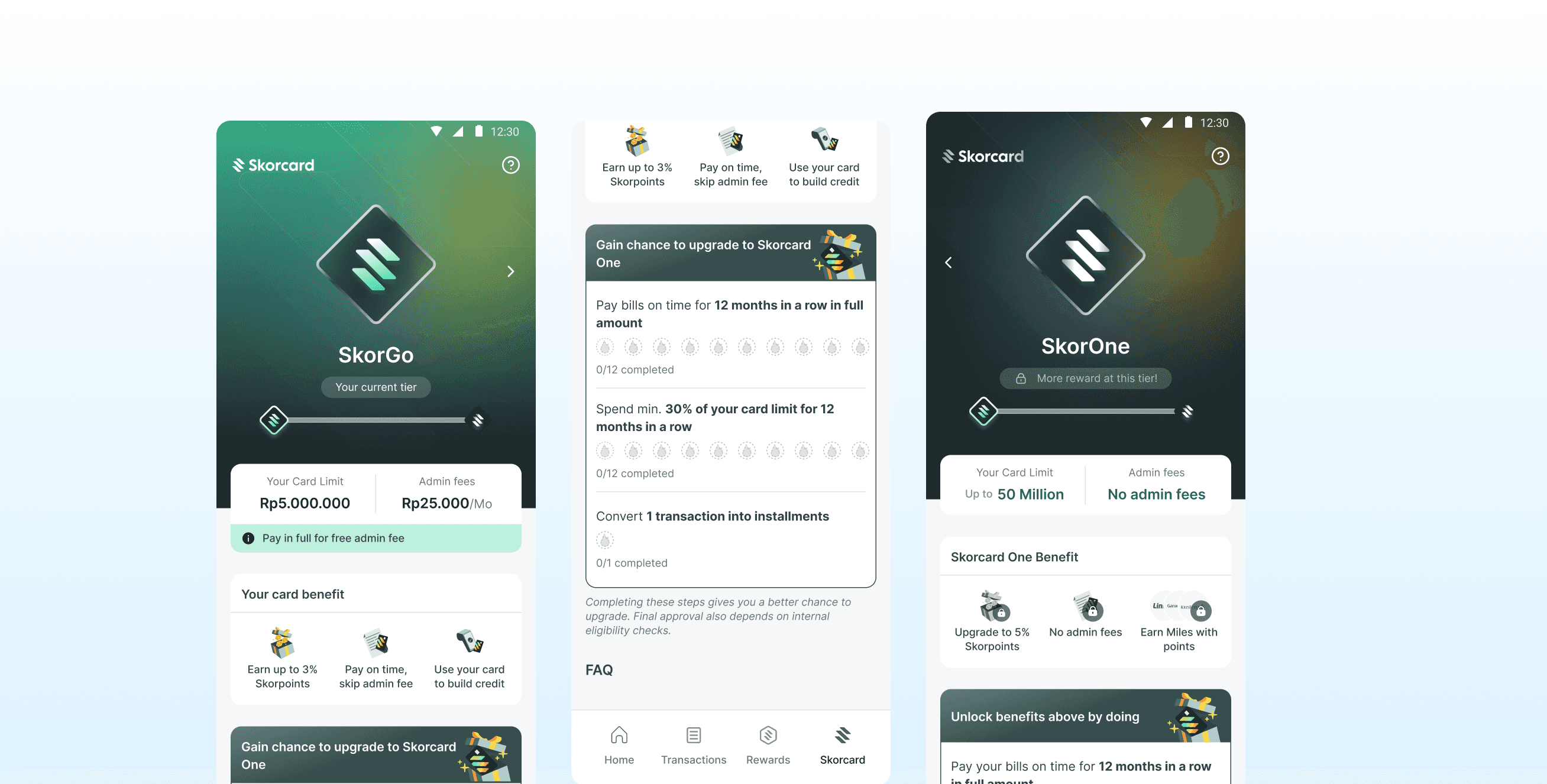
Adjusting The Upgrade Story
Introduce upgrade benefits after users are approved and already using SkorGo, so it feels like progress they’ve earned rather than a “second best” option.
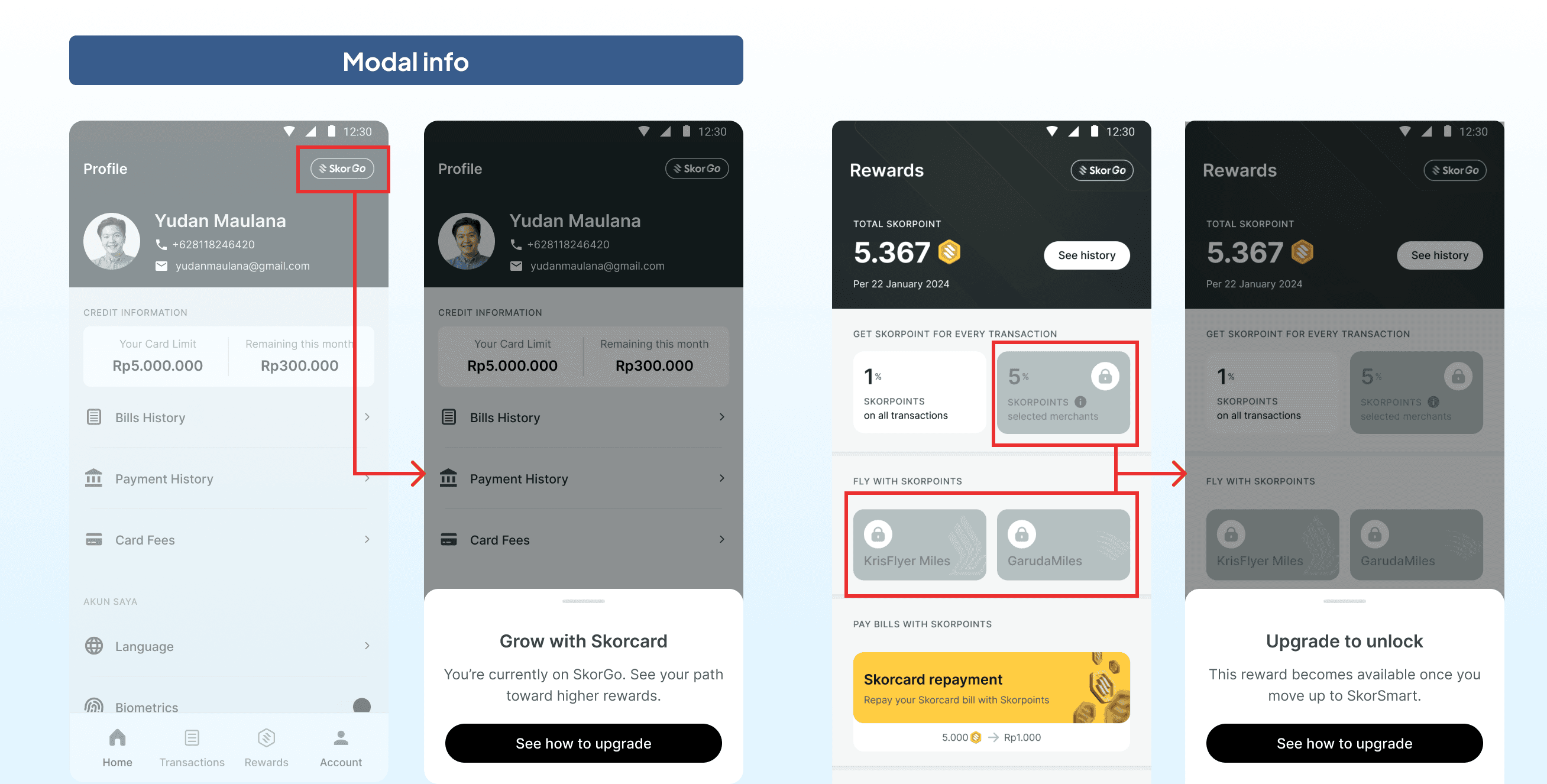
Add contextual guidance
When users click on labels or locked features, provide clear explanations and direct them to the tier page for more details.
Key learnings
SkorGo challenged me to think beyond the interface, sometimes the real problem isn’t the layout, but how we make people feel when they’re told “no”. Turning rejection into opportunity required thoughtful storytelling and close collaboration across design, product, and research. This project taught me that the right message, timing, and tone can transform a user’s experience just as much as the visuals do.
“Design isn’t just about what people see, it’s about how they feel when things don’t go their way”